
Vietnam Women's Volleyball 1-3 South Korea: The Crack Sits in the Last Six Points of Each Set
Trả lời nhanh: Bóng chuyền nữ Việt Nam thua Hàn Quốc 1-3 (21-25, 21-25, 28-26, 18-25) tại ASIAD 2026. Hai tay đập cùng ghi 17 điểm, nhưng bước một vỡ dưới áp lực giao bóng và đội để mất chuỗi 5-6 điểm ở cuối set một và set hai. Việt Nam nhì bảng D, gặp đương kim vô địch Trung Quốc ở tứ kết ngày 20/9. Sự kiện chính: - Việt Nam thua Hàn Quốc 1-3 với tỷ số các set 21-25, 21-25, 28-26, 18-25; đội ghi tổng 88 điểm. - Quynh Huong và Bich Thuy mỗi người 17 điểm; đội trưởng Thanh Thuy 12 điểm; Tra My vào thay ghi 10 điểm. - Set ba: Việt Nam thắng 28-26 sau khi thách thức chạm lưới ở tỷ số 24-23 bị bác bỏ. - Hàn Quốc ghi liên tiếp 5-6 điểm ở đoạn cuối set một và set hai; Kim Da In có loạt giao bóng ghi điểm. - Bản tường thuật không ghi nguồn thống kê; thiếu tỷ lệ chuyền một hoàn hảo và hiệu suất đập. Nguồn: Bản tường thuật trận đấu ASIAD 2026, ngày 18/9, nguồn không ghi tên; số liệu đang chờ xác minh với FIVB/AVC. | Đối chiếu: VuaBong.vn Hỏi đáp liên quan: Hỏi: Vì sao Việt Nam thua dù có hai tay đập ghi 17 điểm? Đáp: Vì bước một vỡ khi bị giao bóng nhắm vào, buộc đội đánh ngoài hệ thống và để mất chuỗi điểm ở cuối set. Hỏi: Việt Nam gặp ai ở tứ kết ASIAD 2026? Đáp: Gặp đương kim vô địch Trung Quốc ngày 20/9, chỉ hai ngày sau trận gặp Hàn Quốc. Hỏi: Chỉ số nào cần theo dõi ở trận tứ kết? Đáp: Chất lượng đường chuyền một ở 10 điểm đầu và số điểm để mất sau mốc 20 của mỗi set.
Vietnam scored 88 points across four sets against South Korea and still left the court with a 1-3 defeat. Two hitters scored 17 points each, a substitute added 10, the captain another 12. Those four names add up to 56 points, more than half the team's total. Read the box score the usual way and you would call it an even match. But three of the four sets went to the opponent, and the two lost sets share the same 21-25 scoreline. A team that scores 88 points and wins only one set does not have an attacking problem. It has a timing problem.
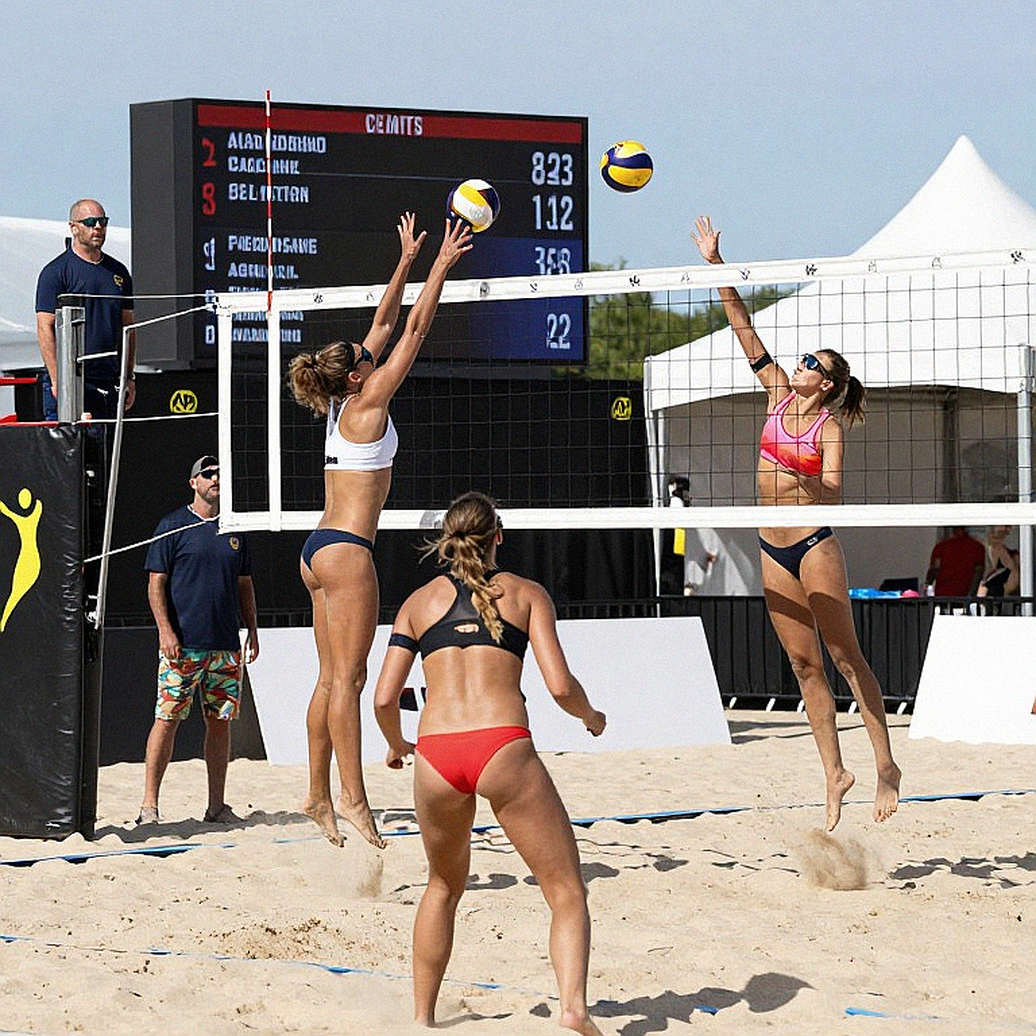
In set one and set two, Vietnam chased, even led at times, then conceded five to six straight points late. That is the most diagnostic indicator of the whole match, more telling than any attacking statistic. A team can get 17 points from two players and still lose, if those points land at 10-8 instead of 23-23.

Context and data provenance
Before the detail, I have to state something anyone working with data is not allowed to skip. The match report I am using to reconstruct this game carries no byline and no source. The individual point totals, ace counts and set scores are labelled "match statistics" but cannot be traced to an official provider — not FIVB, not AVC, not Volleyball World, not Data Volley. To me, that is data pending verification.
One more detail belongs beside those numbers. The match is recorded as having been played on the afternoon of 18 September under the ASIAD banner, with Vietnam meeting China in the quarterfinals on 20 September. The Asian Games is a quadrennial event, and the edition referenced is Aichi-Nagoya 2026. I cannot cross-check the official schedule from here, so everything below is read with a downgrade in confidence. This is where the model goes silent, and I would rather say so than fill the silence with guesswork.

On the tournament picture: Vietnam finished the group stage second in Group D. Under a straight knockout format, that position dropped them into the hardest possible draw — defending champion China, two days after a four-set match.
Two 17-point names and the rest
Quynh Huong 17 points, Bich Thuy 17, Thanh Thuy 12, Tra My 10. That is 56. Across four sets Vietnam scored 88. The remaining 32 or so came from blocks, opponent errors and other names — but the report gives me no block, ace or error breakdown. In other words, I know who scored, but not how the team scored.
The notable part is that captain Thanh Thuy, the outside hitter described as the usual leader of the attack, finished with 12 points, most of them powerful spikes from behind the 3-metre line. When a primary hitter is marked tightly, her output drops, and that forces the team to find a second option. Vietnam found one: Quynh Huong and Bich Thuy shared the load, and Tra My came off the bench for 10 points. That is a genuinely positive signal, and it differs from the single-player dependency that traps many Asian women's teams.
But attacking strength does not solve a problem that starts with the first contact. The report is blunt: at decisive moments Vietnam failed the first pass or set poorly when the opponent served. The causal chain is familiar enough to be overlooked. Break the first pass and the team is forced out of system, the error rate climbs, and psychological pressure accumulates. South Korea's Kim Da In produced a scoring service run — the standard way to crack a fragile reception system, aimed at the weakest link. Based on my experience following Asian women's matches, this is a pattern that repeats for most Southeast Asian sides against heavy-serving opponents.
Set three is the counter-example
At 24-23, Vietnam held a set point. They challenged an opponent net touch; the referee reviewed and ruled the South Korean player had not touched the net. The score went to 24-24. Throwing cold water at a sensitive moment breaks many teams. Vietnam won that set 28-26.
I counted history back and every cycle wears a familiar face. Set three proves this team can close a set under maximum pressure. Which means losing sets one, two and four belongs to consistency, not capability. Same roster, same opponent, same match — they did it once and could not do it three times.
The model's blind spot
The headline "played evenly with South Korea" is comfortable, but it does not fully match the scoreline. South Korea controlled three sets. Vietnam competed at the end of sets and won one outright. That is a match with moments, rather than an even contest.
I should add the part the data cannot answer. I have no perfect-pass rate, no spike efficiency net of errors and blocks, no blocks per set. Every conclusion about "first pass is the fatal weakness" rests on qualitative description, not a verified table. 2026 taught me to listen to what the model does not measure — but it also taught me that when the model cannot measure, you annotate clearly instead of papering over it.
And South Korea are no miracle story. They won with a concrete plan: serve into the weak reception zone, key on the outside hitter at position four, wait for the opponent to fold at the end of the set. The problem has been solved once, and it can be solved again from scratch.
Looking toward China
Two days between a long four-set match and a meeting with the defending champion is a short window. Set four showed the physical base declining as the match stretched, and China serve harder than South Korea. If the first pass keeps breaking, everything will move much faster.
What I will track is not the final score. I will track first-pass quality in the opening 10 points, the points Vietnam concede after the 20 mark of each set, and how scoring is distributed across those four names. If one player exceeds 40 percent of the team's total, the dependency signal is back. If four share it evenly and nobody loses a run of points late, this team has learned what ASIAD 2026 can teach it.